Manganji Onsen
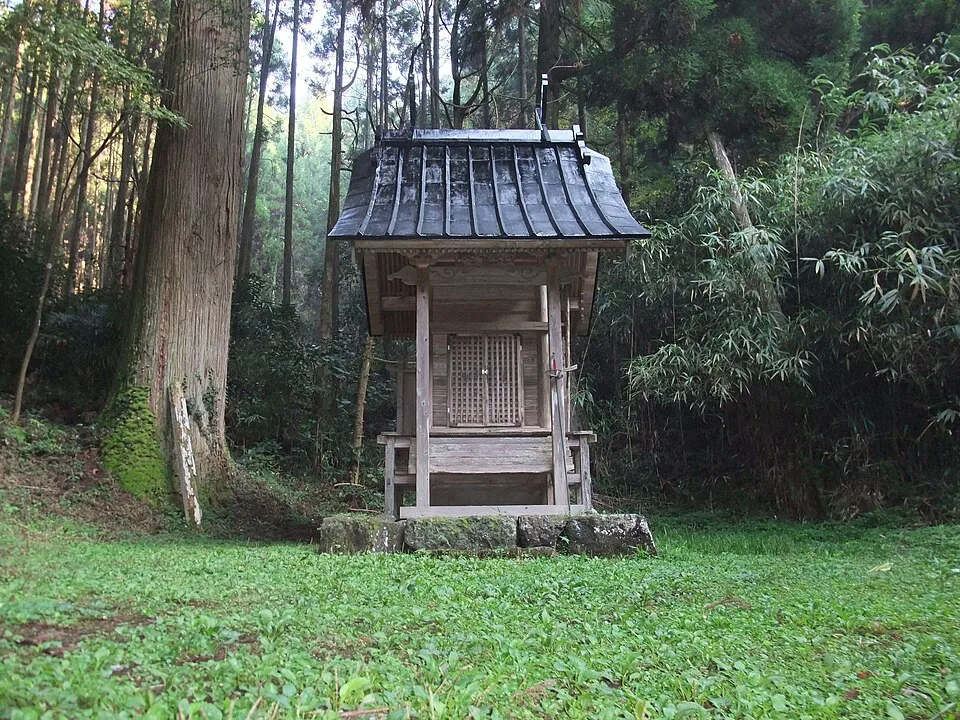
- Location
- Kokonoe, Oita Prefecture, Japan, Japan
- Water type
- sulfurous
- Temperature
- 40 °C
- pH
- 6.5
Water profile
Relaxing — deep, immediate muscle release.
Rich in active gases or metals — a strong mineral character.
Soft water — natural, classic buoyancy.
Manganji Onsen is a Japanese-style geothermal hot spring whose name — incorporating the Buddhist temple name 'Manganji' (Temple of Completed Vows) — connects the bathing tradition of the onsen with the spiritual heritage of Buddhist temple bathing culture, where hot springs located near or within temple precincts were used for ritual purification and well-being of body and spirit. Japan's Buddhist temples have historically maintained close relationships with natural hot springs, recognising the purifying and restorative qualities of geothermal mineral water as complementary to the spiritual practices of meditation, prayer, and devotion. The onsen provides naturally geothermally heated, mineralised water in a setting enriched by Buddhist spiritual heritage.