Agua Caliente de Azua
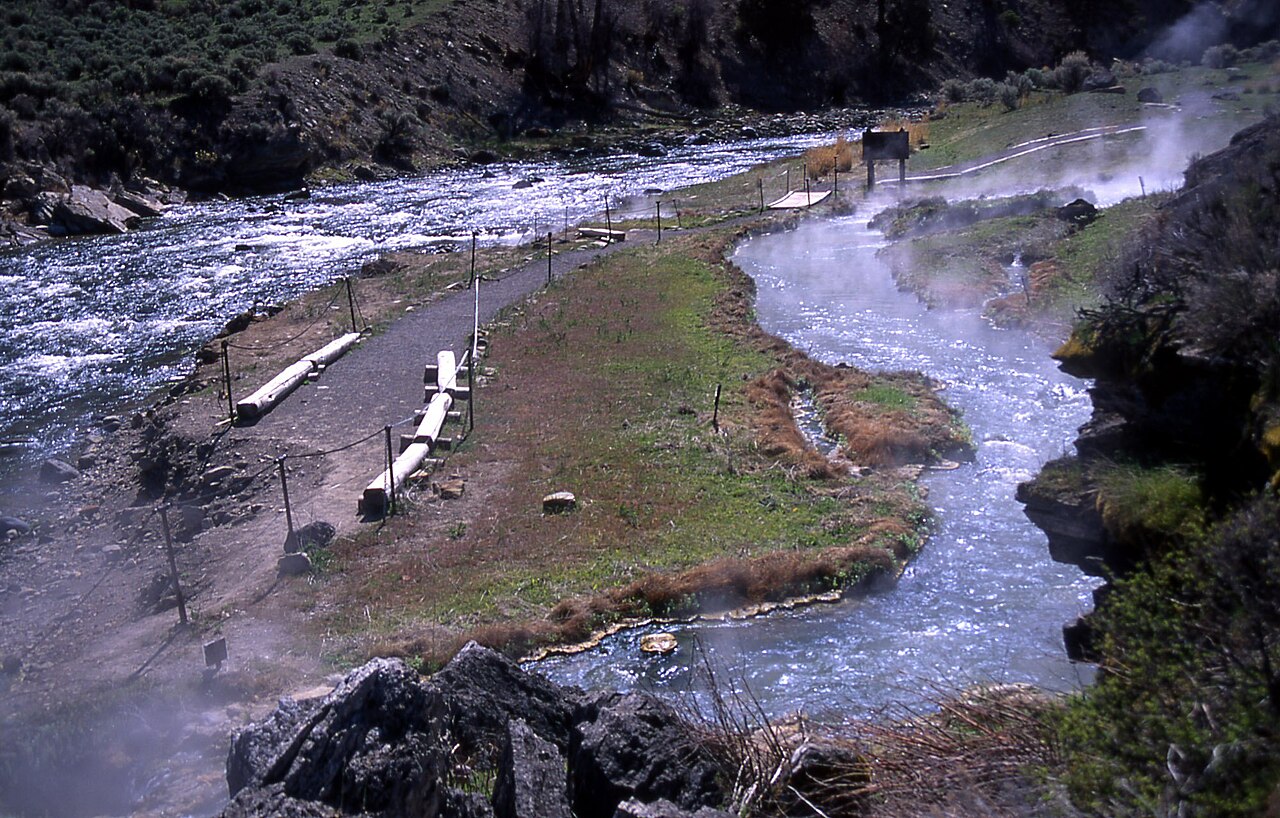
Illustration photo — not a verified picture of this exact spot.
- Location
- Azua de Compostela, Azua Province, Dominican Republic
- Water type
- bicarbonate
- Temperature
- 40 °C
- pH
- 8
Water profile
Relaxing — deep, immediate muscle release.
Loaded with major ions — the essential minerals (Ca, Mg).
Soft water — natural, classic buoyancy.
Agua Caliente de Azua in the Azua province on the southern coast of the Dominican Republic draws on bicarbonate thermal springs in a semi-arid landscape that contrasts dramatically with the tourist-dominated northern coast. The springs emerge from the geological formations of the Sierra de Ocoa in a region known primarily for its agriculture — salt production, sugar cane and cattle ranching — rather than tourism, preserving a genuinely local and unmediated bathing tradition rooted in Dominican rural culture. The Azua region's historical significance as the site of the Spanish colonial city of Azua de Compostela — one of the oldest European settlements in the Americas, founded in 1504 — gives the area considerable historical depth. The proximity of the Bahía de Ocoa and the Parque Nacional Isla Cabritos (flamingos and crocodiles in Lago Enriquillo, the lowest point in the Caribbean) adds wildlife and landscape dimensions to what is primarily a destination for authentic Dominican thermal culture.