Hammam Guergour
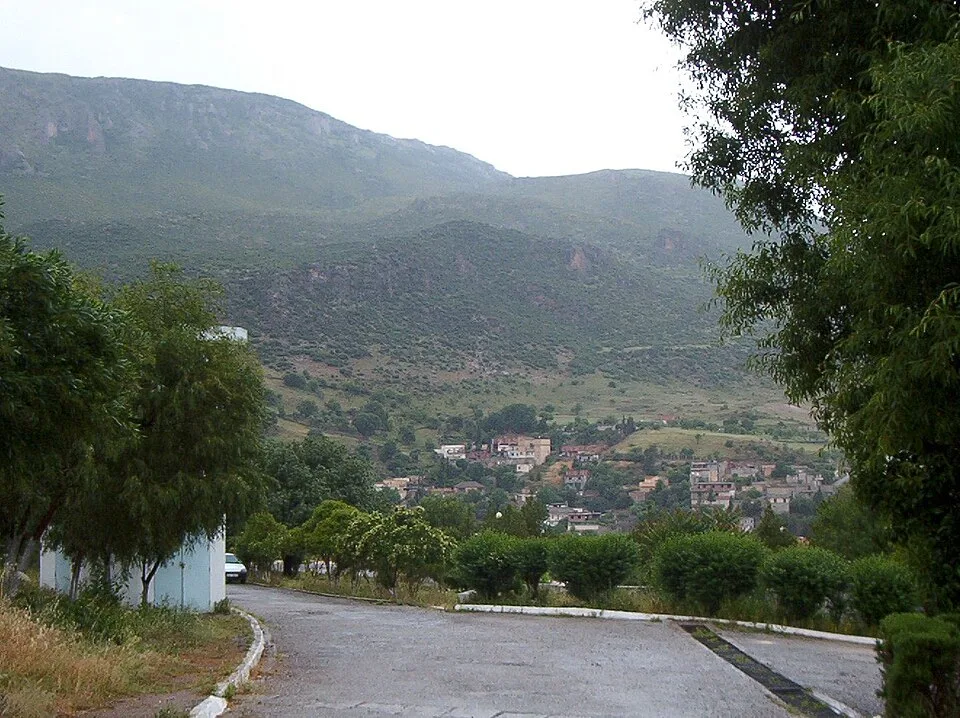
- Location
- Hammam Guergour, Setif Province, Algeria
- Water type
- thermal
- Temperature
- 40 °C
- pH
- 7.3
Water profile
Relaxing — deep, immediate muscle release.
Rich in trace elements — gentle on the skin.
Soft water — natural, classic buoyancy.
Hammam Guergour in the Sétif wilaya of northeastern Algeria, in the high plains region between the Tell Atlas and Aurès mountains, draws from radonic springs in a thermal district that has been used since Numidian and Roman times in the agricultural heartland of northeastern Algeria. The extraordinary Roman ruins of Djémila — whose UNESCO World Heritage Site status recognises the outstanding integrity of ancient Cuicul's preserved urban plan, theatres, temples, and forums — lie within the greater Sétif region and provide a monumental historical context for the thermal tradition at Hammam Guergour. The radon-rich spring water is enjoyed in a traditional bathing culture that reflects the deep Algerian tradition of hammam culture maintained continuously from Roman balneae through the medieval Islamic hammam to the contemporary thermal establishment.