Lawngtlai Warm Springs
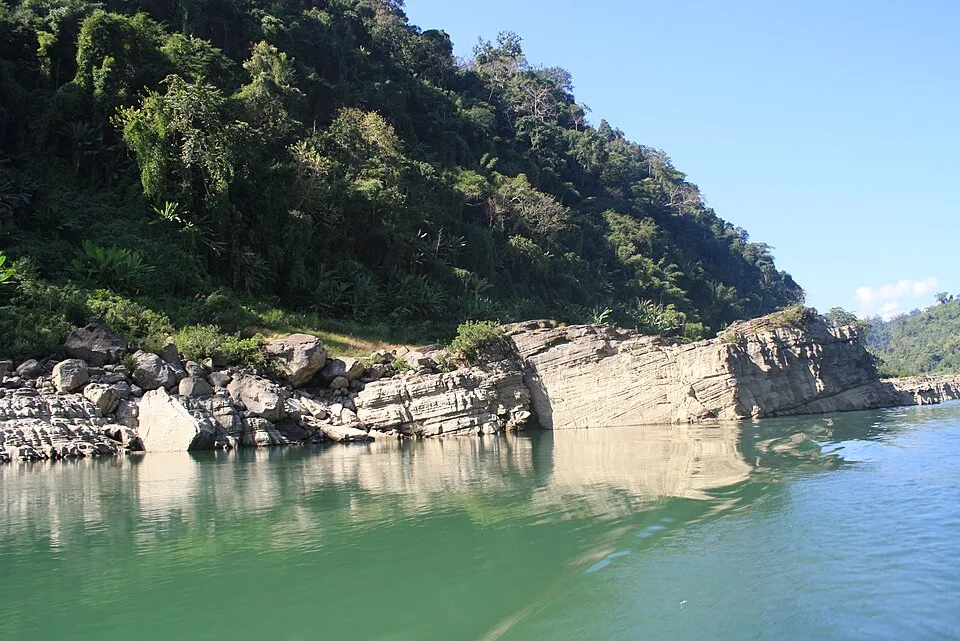
- Location
- Lawngtlai, Mizoram, India
- Water type
- sulfurous
- Temperature
- 42 °C
- pH
- 6.5
Water profile
Relaxing — deep, immediate muscle release.
Rich in active gases or metals — a strong mineral character.
Soft water — natural, classic buoyancy.
Lawngtlai Warm Springs serve the southernmost district of Mizoram, a highland frontier zone where the Bru (Reang) and Chakma indigenous communities — each with their own language, religion, and material culture — occupy a landscape bordering Bangladesh and Myanmar in one of the most demographically complex corners of northeastern India. The Chakma Buddhist community in Lawngtlai represents one of the most historically significant and politically sensitive population movements in post-independence India, descendants of refugees from the Chittagong Hill Tracts of Bangladesh who have maintained their Theravada Buddhist identity and the Chakma language across decades of displacement and resettlement in a landscape very different from their original homeland. The warm bicarbonate springs, rising through the geological substrate of the southernmost Mizo hills, provide therapeutic mineral bathing in a border district whose extraordinary cultural complexity — Buddhist Chakma, animist Bru, Christian Mizo communities sharing a mountain landscape — creates conditions of cultural encounter and coexistence that reflect the remarkable human diversity of South and Southeast Asia's meeting point in the remotest hills of Mizoram.