Loaded with major ions — the essential minerals (Ca, Mg).
Buoyancy
Effortless float
LowHigh
Dense, salty water — you float without effort.
SodiumChloruresBrome
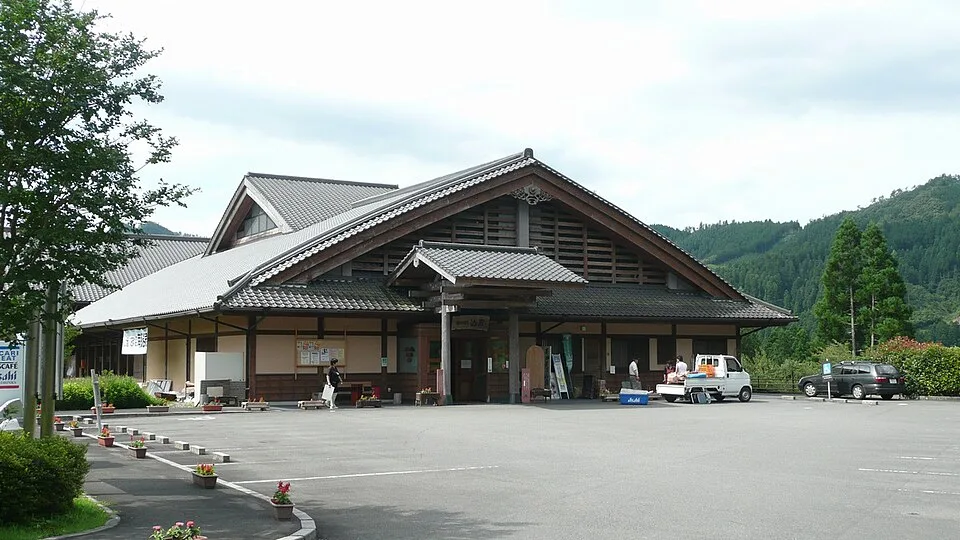
Nango Onsen is located in the Nango area of Nichinan City, Miyazaki Prefecture, in the town that claims the longest-running Bougainvillea festival in Japan, where the tropical vines bloom spectacularly along the subtropical Nichinan Coast each spring and autumn. The siliceous thermal waters here complement a coastal settlement where Miyazaki's warm climate, Pacific scenery, and local shochu production create a distinctive southern Japanese cultural identity. Bathing at Nango Onsen amid this subtropical coastal landscape offers a uniquely Miyazaki experience where hot spring culture meets the tropical ambiance of one of Japan's southernmost Pacific prefectures.
Insider tip — Nango Onsen occupies the subtropical southern tip of Miyazaki, where bougainvillea blooms in winter and mango orchards line the roadsides. The sodium-chloride water is warm and mildly saline, matching the balmy coastal climate. The Cape Toi promontory nearby hosts Japan's last wild horse herd, an unusual sight that pairs well with a day of Pacific coast exploration before an evening bath. The local seafood, particularly bream and amberjack, is best enjoyed at a ryokan that includes onsen access.