Funagawa Onsen
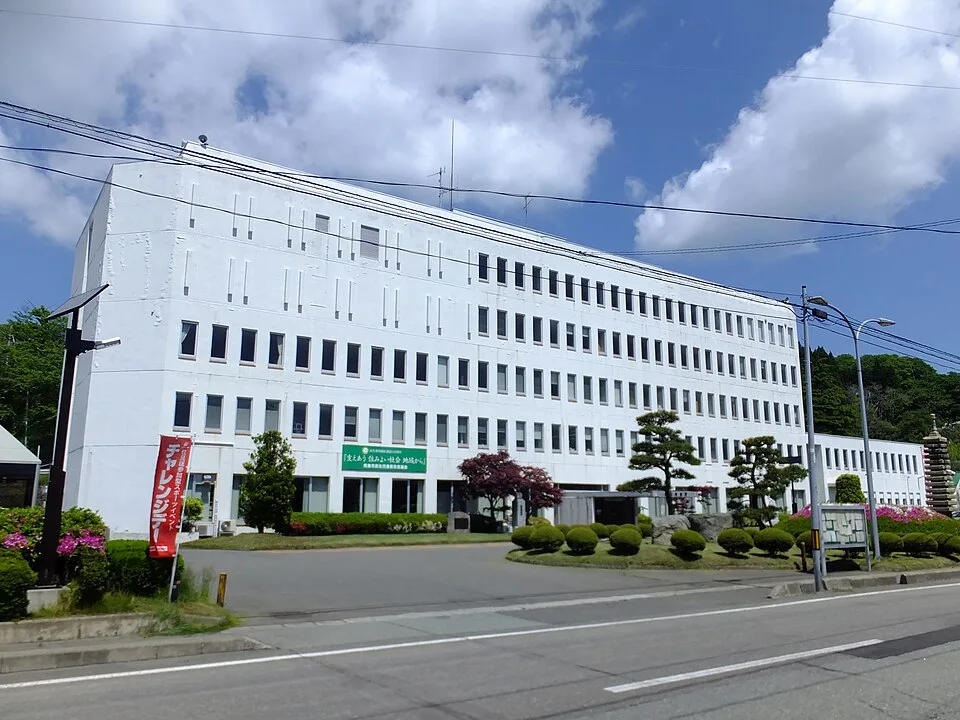
- Location
- Funagawa, Akita, Tohoku, Japan
- Water type
- sodium chloride
- Temperature
- 41 °C
- pH
- 7.3
Water profile
Relaxing — deep, immediate muscle release.
Loaded with major ions — the essential minerals (Ca, Mg).
Dense, salty water — you float without effort.
Funagawa Onsen serves the Oga Peninsula, whose cultural identity rests on one of Japan's most distinctive and internationally recognized folk traditions — the Namahage, in which men dressed in fearsome demon costumes of straw and wielding large wooden knives visit homes on the eve of the New Year (Oshōgatsu) to bellow at sleeping children and lazy family members, demanding good behavior and effort in the coming year while householders appease them with food and sake in a ritual that UNESCO inscribed on the Intangible Cultural Heritage list as one of Japan's most vital examples of community-based religious folk practice. The peninsula extends into the Japan Sea from the Akita coast in a volcanic landscape whose rugged cliffs, fishing villages, and coastal scenery reflect the character of a community shaped by the sea — Funagawa Port is one of Akita's busiest fishing harbors, landing the sea urchin, snow crab, and Hatahata sandfish that define Akita's coastal culinary tradition. The onsen's siliceous mineral waters, rising from the volcanic geology of the Oga Peninsula's geothermal system, provide restorative bathing on a peninsula whose combination of demon-festival folklore, coastal fishing culture, and hot spring tradition creates one of the most complete and distinctively Japanese coastal community experiences in the Tohoku region.