Shiobara Onsen
- Location
- Tochigi, Japan
- Water type
- sulfurous
- Temperature
- 41 °C
- pH
- 6.9
Water profile
Relaxing — deep, immediate muscle release.
Rich in active gases or metals — a strong mineral character.
Soft water — natural, classic buoyancy.
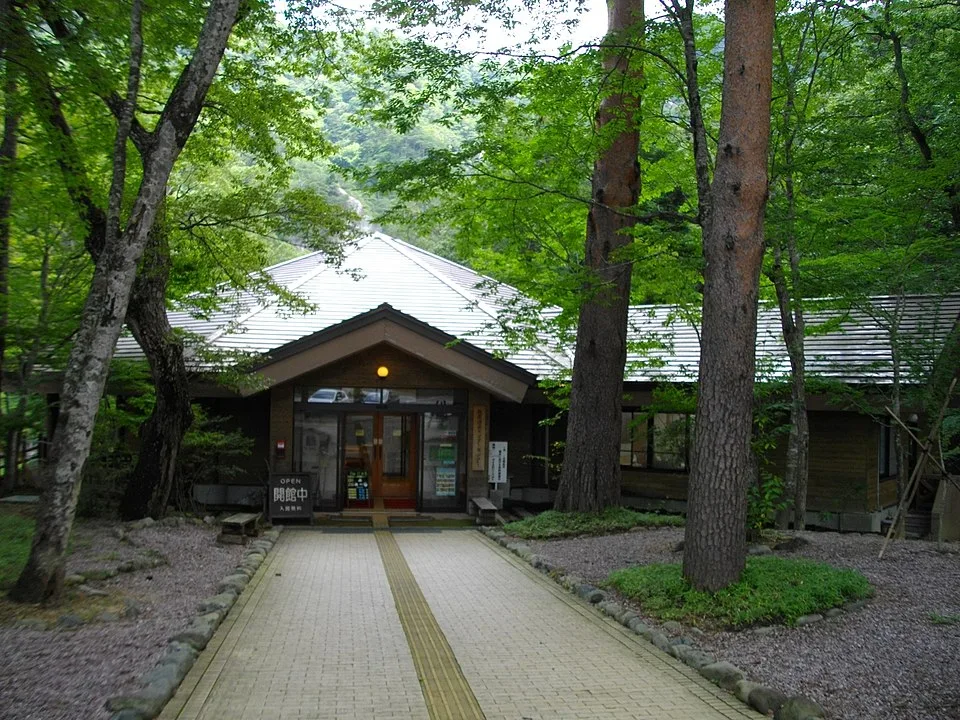
In the forested mountains of Tochigi Prefecture, north of Tokyo, Shiobara Onsen is a traditional hot spring district spread along a steep gorge carved by the Houki River. The valley's narrow ravine, draped in maple trees that blaze scarlet and gold in autumn, creates one of the most visually dramatic onsen settings in the Kanto region. Ryokan line the riverbanks, their outdoor pools overlooking cascading water and moss-covered rock walls.
The springs produce sulfurous water at 41 °C — a characteristic of Tochigi's active volcanic geology — with a near-neutral pH of 6.9. Sulfurous onsen water has a distinct, unmistakable quality: a faint aroma that connoisseurs associate with deep geothermal origin, and a softening effect on the skin that has earned such waters a devoted following in Japanese bathing culture. Shiobara has been a destination for city-dwellers seeking mountain air and forest immersion since the Meiji era, and the gorge retains a mood of leafy seclusion that the passage of time has done little to diminish.