Habikino Onsen Osaka
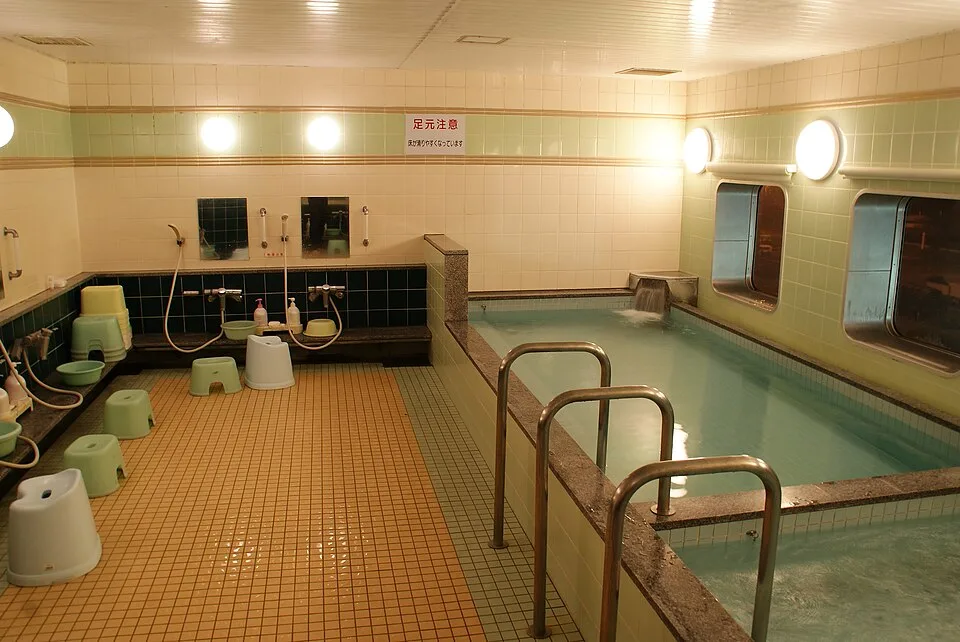
- Location
- Habikino, Osaka Prefecture, Japan
- Water type
- sodium chloride
- Temperature
- 41 °C
- pH
- 7.3
Water profile
Relaxing — deep, immediate muscle release.
Loaded with major ions — the essential minerals (Ca, Mg).
Dense, salty water — you float without effort.
Habikino, in southeastern Osaka Prefecture, is home to part of the Mozu-Furuichi Kofun Group, a UNESCO World Heritage Site comprising over a hundred ancient burial mounds from the fifth and sixth centuries, including the immense Daisen Kofun keyhole-shaped tumulus — the largest burial mound in the world by total enclosed area. Habikino Onsen Osaka draws on sodium and bicarbonate thermal waters from the geothermal resources of the Kawachi plain, offering relaxing baths in a setting steeped in the extraordinary archaeological heritage of Japan's ancient Yamato kingdom. A soak at this onsen can be combined with cycling tours of the ancient tumuli landscape, one of the most historically dense yet serene environments on the outskirts of modern Osaka.