Sento
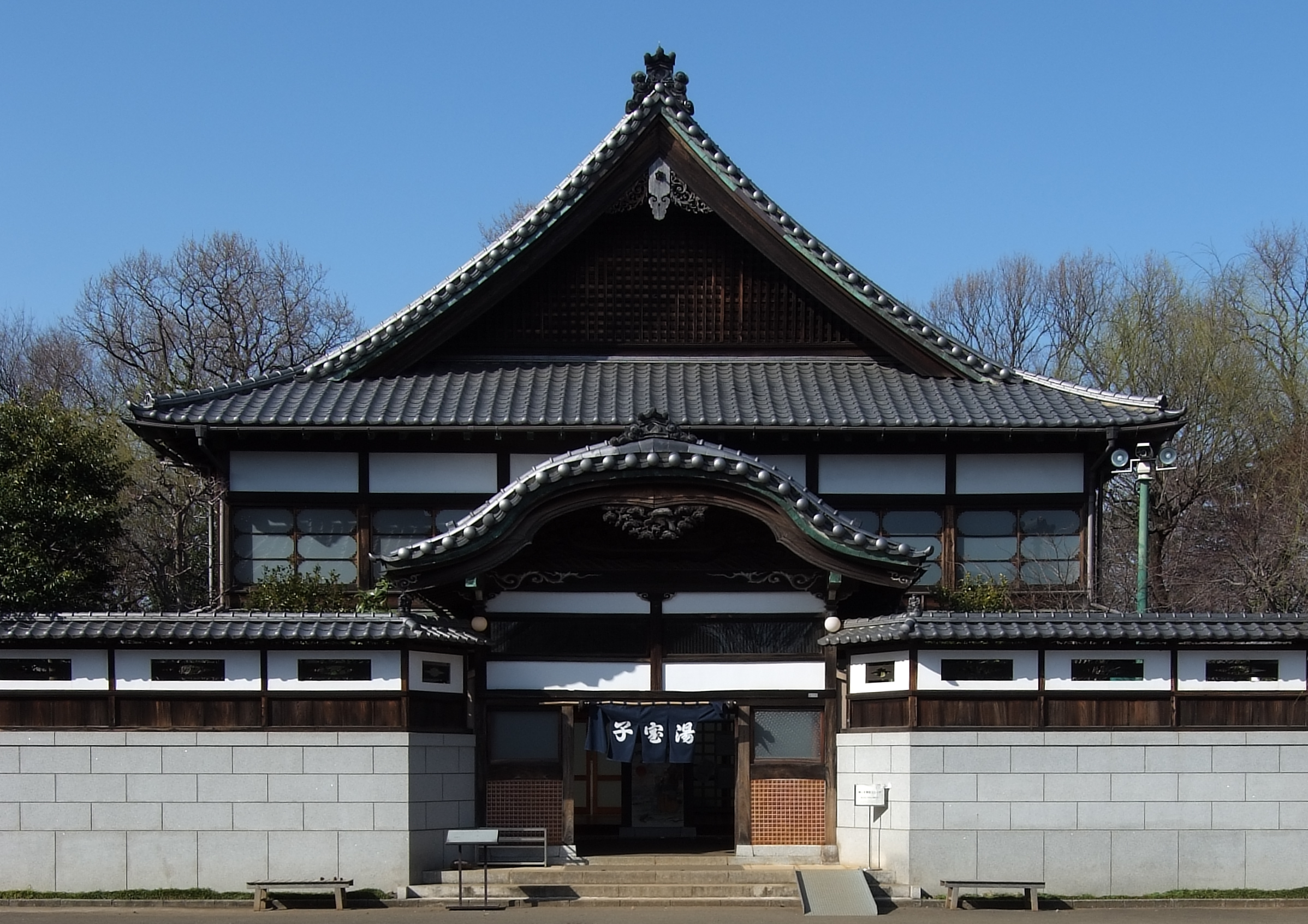
- Location
- Nishi Ward, Osaka, Japan
- Water type
- sodium chloride
- Temperature
- 41 °C
- pH
- 7.3
Water profile
Relaxing — deep, immediate muscle release.
Loaded with major ions — the essential minerals (Ca, Mg).
Dense, salty water — you float without effort.
In Nishi Ward, a residential district of Osaka set slightly apart from the city's famous entertainment corridors, this sento embodies the quintessential Japanese neighbourhood bathhouse — a communal institution that has served the local community for decades. Osaka's sentō culture is distinctly working-class and unsentimental; these are bathhouses built for daily use, not tourism, and their unhurried regulars create an atmosphere of unpretentious warmth.
The water is sodium-chloride, pumped at 41 °C, a temperature that is both immediately comforting and maintained long enough for the heat to permeate deeply. The neutral pH of 7.3 makes for a smooth, uncomplicated soak. In the shared bathing rooms, the etiquette is ritualistic: scrub at the low tap stations, rinse thoroughly, then ease into the communal tub. Time slows in these tiled interiors, and the simple act of sharing hot water with neighbours becomes, in the Japanese tradition, a small but meaningful act of community.