Hongye Hot Spring Hualien
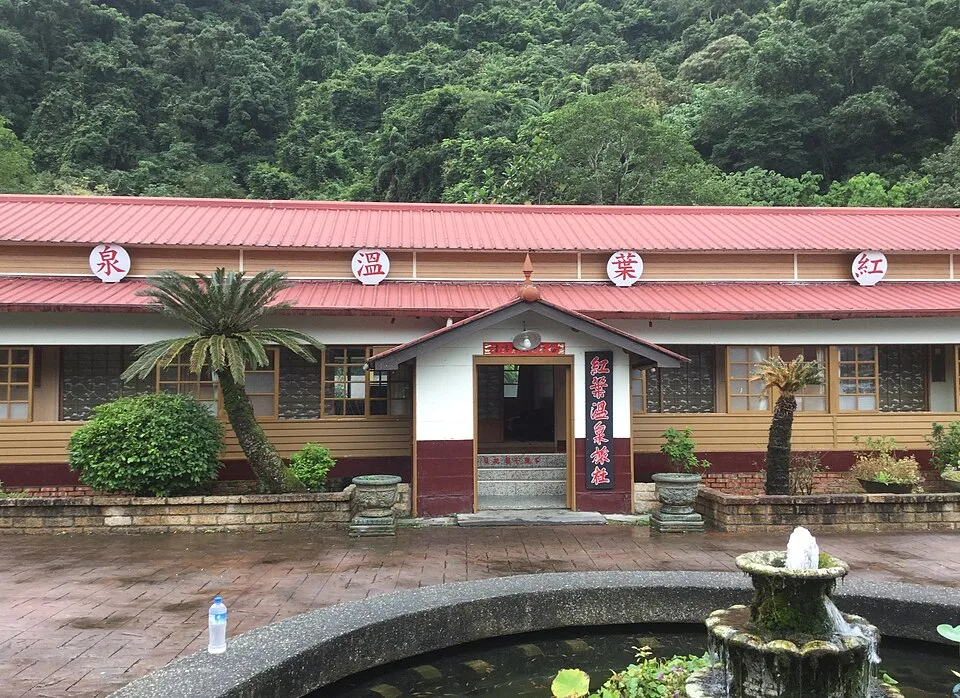
- Location
- Ruisui, Hualien, Taiwan
- Water type
- sulfurous
- Temperature
- 50 °C
- pH
- 6.5
Water profile
Relaxing — deep, immediate muscle release.
Rich in active gases or metals — a strong mineral character.
Soft water — natural, classic buoyancy.
Hongye Hot Spring in Hualien County sits in the verdant Xiuguluan river valley of the East Rift Valley, where sulfate thermal waters have been rising from the earth since at least the late Qing dynasty, when the Amis indigenous inhabitants first recorded the springs. The spring waters, rich in sulfate minerals, are part of a long thermal tradition associated with well-being, and the site gained wider fame when the local youth baseball team's triumph against a Japanese team in 1968 brought national attention to this remote Hualien valley. The surrounding landscape of betel nut palms, rice paddies, and river gorges typifies the natural grandeur of Taiwan's Eastern Rift Valley, making Hongye a hot spring destination rich in both natural and cultural significance.