Rindo Onsen
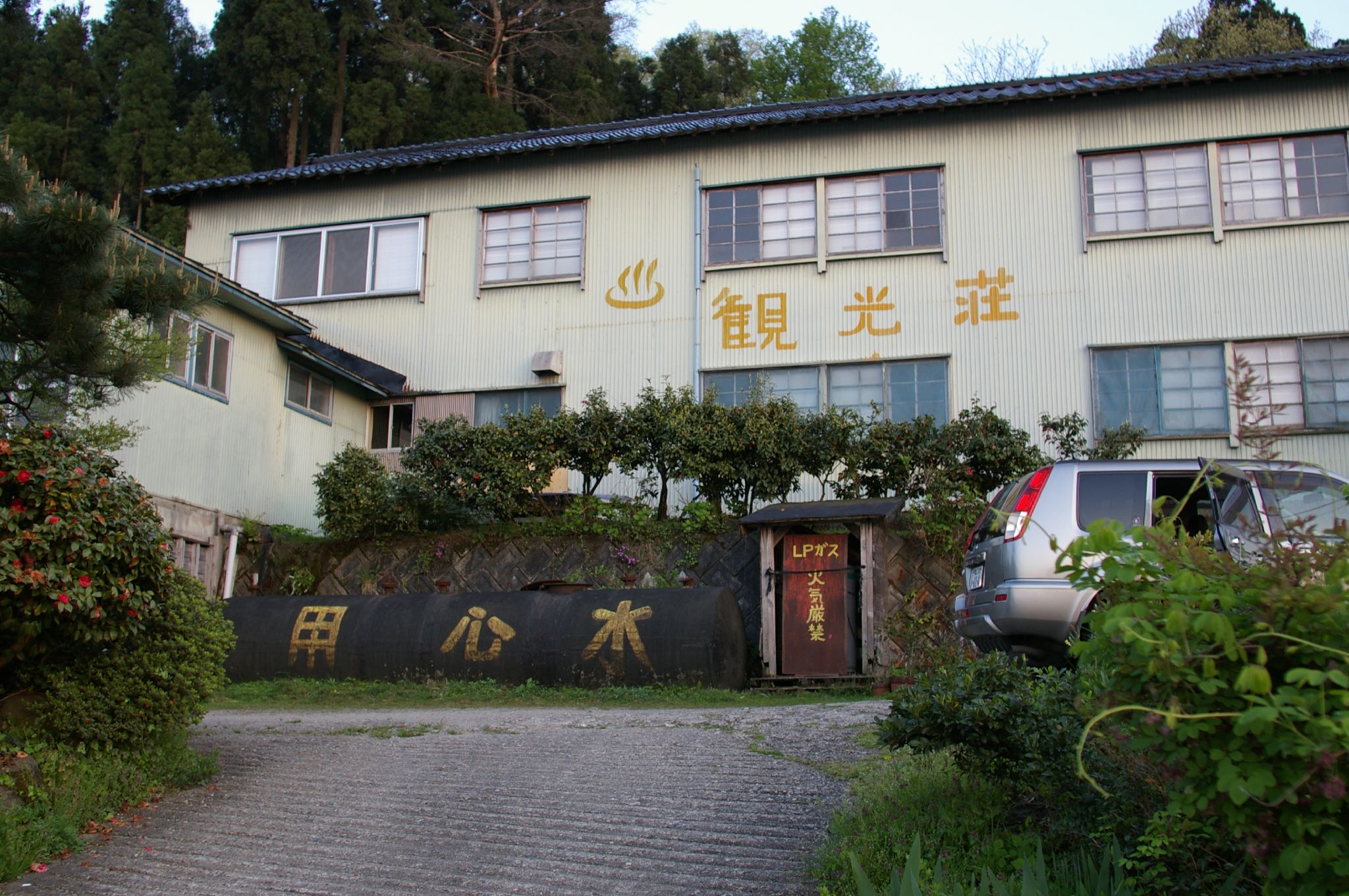
- Location
- Hakusan, Ishikawa, Japan
- Water type
- acidic
- Temperature
- 43 °C
- pH
- 3.5
Water profile
Relaxing — deep, immediate muscle release.
Rich in trace elements — gentle on the skin.
Soft water — natural, classic buoyancy.
Rindo Onsen in the former Rindo area of Nanto City, Toyama Prefecture carries a history reaching back to 1475, when the revered Buddhist monk Rennyo Shonin is said to have discovered the spring during his journeys through the mountainous interior of what was then Etchu Province, a founding legend typical of Japan's yamabushi and Buddhist pilgrimage tradition where monastic wanderers were among the earliest systematic discoverers of volcanic geothermal springs. The acidic mineral waters of this spring gained a strong reputation from the middle Meiji period onward, drawing visitors who made extended stays — known in Japanese as tojikyaku — in the spring's increasingly popular bathing facilities within a long thermal tradition. Though the original spring is no longer active, Rindo Onsen's historical record as a monastic discovery and Meiji-era destination places it within the broader narrative of Japan's evolving relationship between religious tradition, bathing culture, and geothermal thermal water.