Naumann Onsen
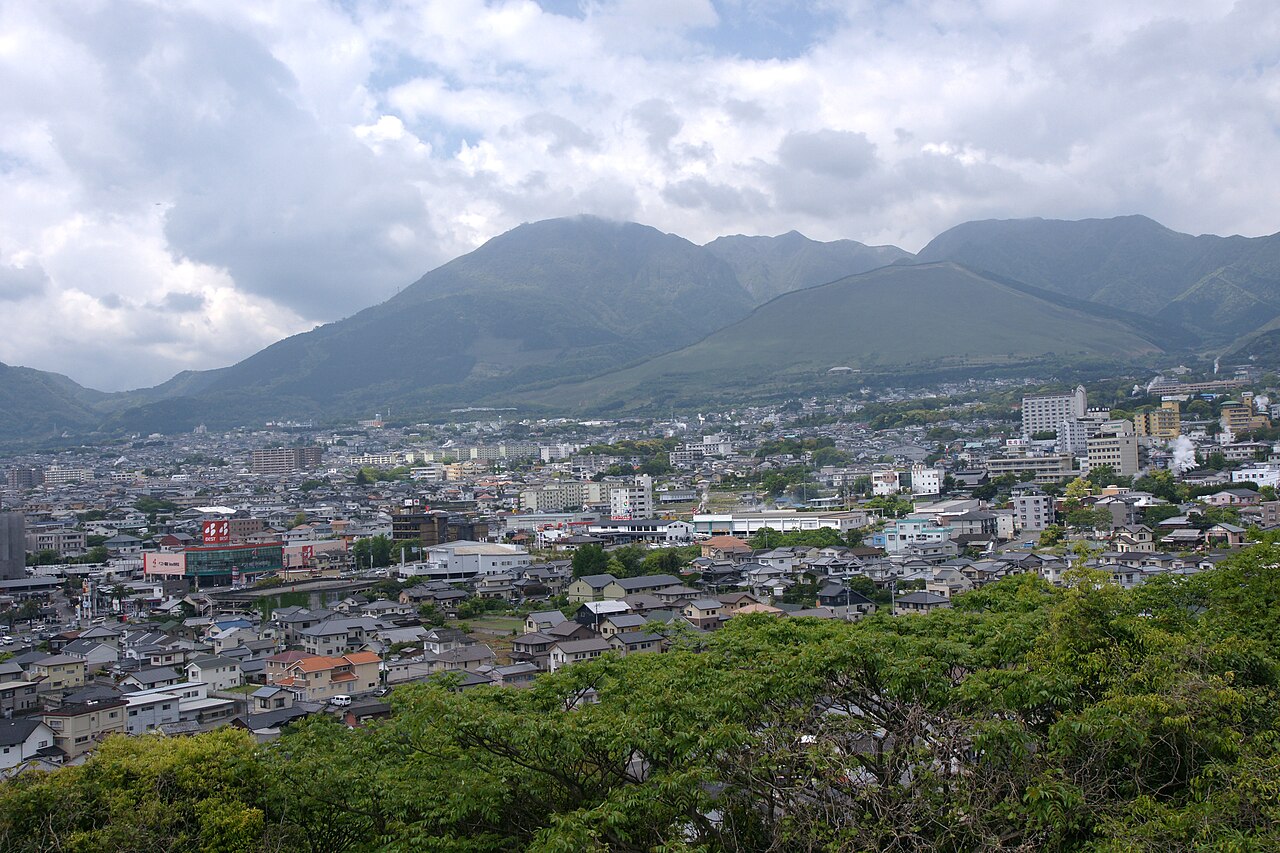
Illustration photo — not a verified picture of this exact spot.
- Location
- Makubetsu / Tokachi, Hokkaido, Japon, Japan
- Water type
- thermal
- pH
- 7.3
Water profile
Rich in trace elements — gentle on the skin.
Soft water — natural, classic buoyancy.
Naumann Onsen in Makubetsu-machi, Hokkaido, takes its name from Heinrich Naumann—the nineteenth-century German geologist who worked in Japan and discovered fossilized remains of the Naumann elephant (Palaeoloxodon naumanni), an extinct proboscidean that roamed the Japanese archipelago during the Pleistocene epoch, whose connection to this corner of Hokkaido makes the spring a tribute to both scientific discovery and geological deep time. The alkaline simple waters of the Arco 236 facility—established by Makubetsu Town for community health, lodging, training, and tourism—provide the accessible, skin-softening mineral soak that forms the foundation of Japan's thermal bathing tradition in a region where the volcanic geology runs deeper in time than the human history that named it. A spring named for a fossil-hunting geologist connects the act of bathing in volcanic mineral waters to the broader geological story of Japan, from Pleistocene elephants to the volcanic forces that still produce the spring's warmth today.