Hongo onsen
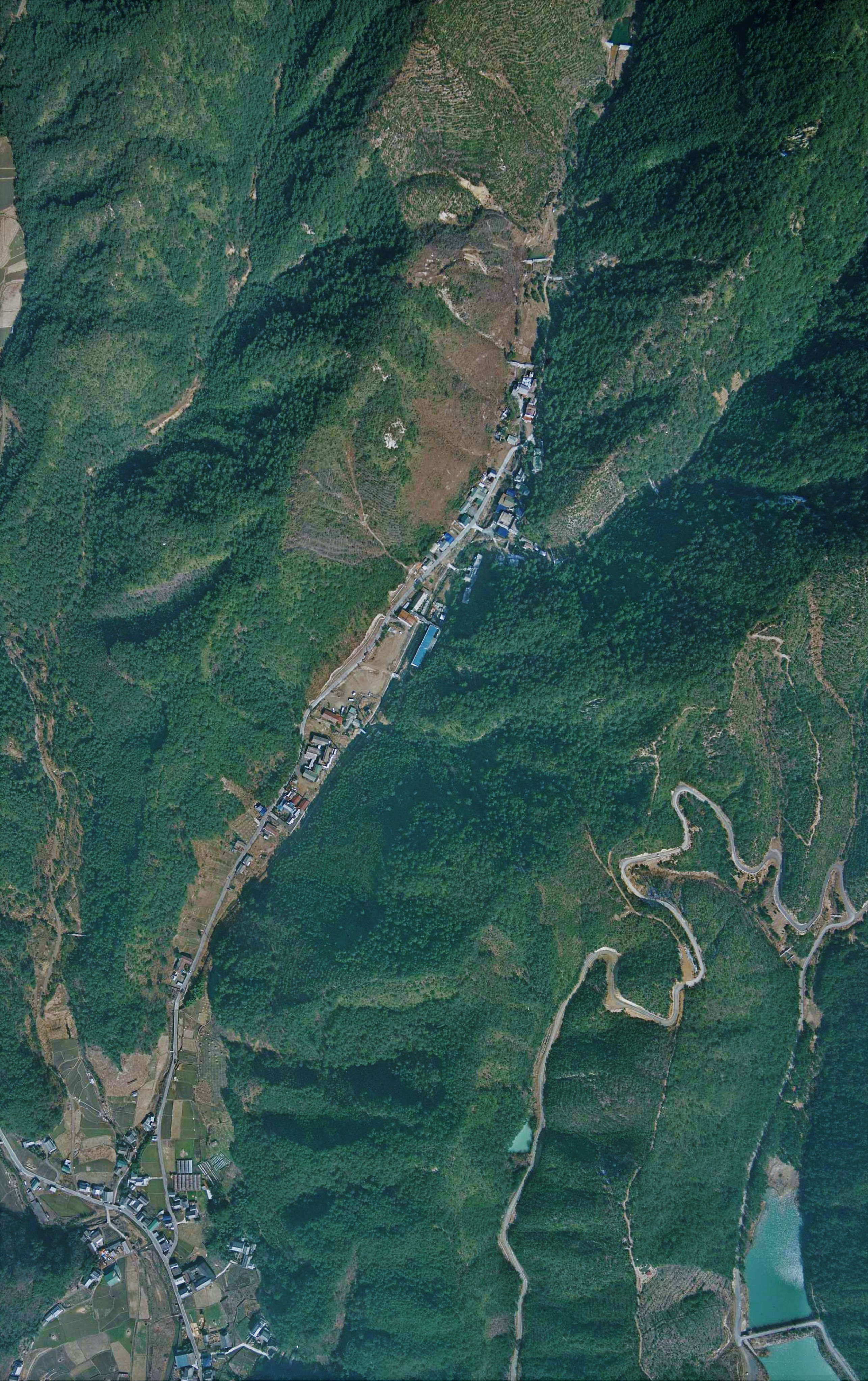
- Location
- Miyoshi, Hiroshima, Japan
- Water type
- thermal
- Temperature
- 40 °C
- pH
- 7.3
Water profile
Relaxing — deep, immediate muscle release.
Rich in trace elements — gentle on the skin.
Soft water — natural, classic buoyancy.
Hongo Onsen in Hongo Town, now part of Fukuyama City, Hiroshima Prefecture flourished during the 1960s as a thermal resort destination with twelve active inns, but by 2016 all of its ryokan establishments had closed permanently, leaving the buildings to decay as ruins in a process that has made this former hot spring resort one of the more poignant examples of rural onsen decline in Japan's postwar demographic and economic transformation. The spring's simple thermal waters once supported a community of thermal bathing culture in this corner of Hiroshima Prefecture, but the combination of rural depopulation, aging infrastructure, and the shift of leisure spending patterns toward urban and international destinations gradually eroded the economic foundation that had sustained Hongo Onsen's dozen inns through the high growth decades of the Japanese economic miracle. Hongo Onsen today stands as a memorial to the extraordinary spread of thermal bathing culture across Japan during the postwar period and to the subsequent contraction of rural onsen communities that has left dozens of formerly thriving hot spring resorts as ghost landscapes, where the volcanic spring water continues to rise unchanged from the earth while the human institutions built around it have quietly disappeared.