Hammam Ali Hot Springs
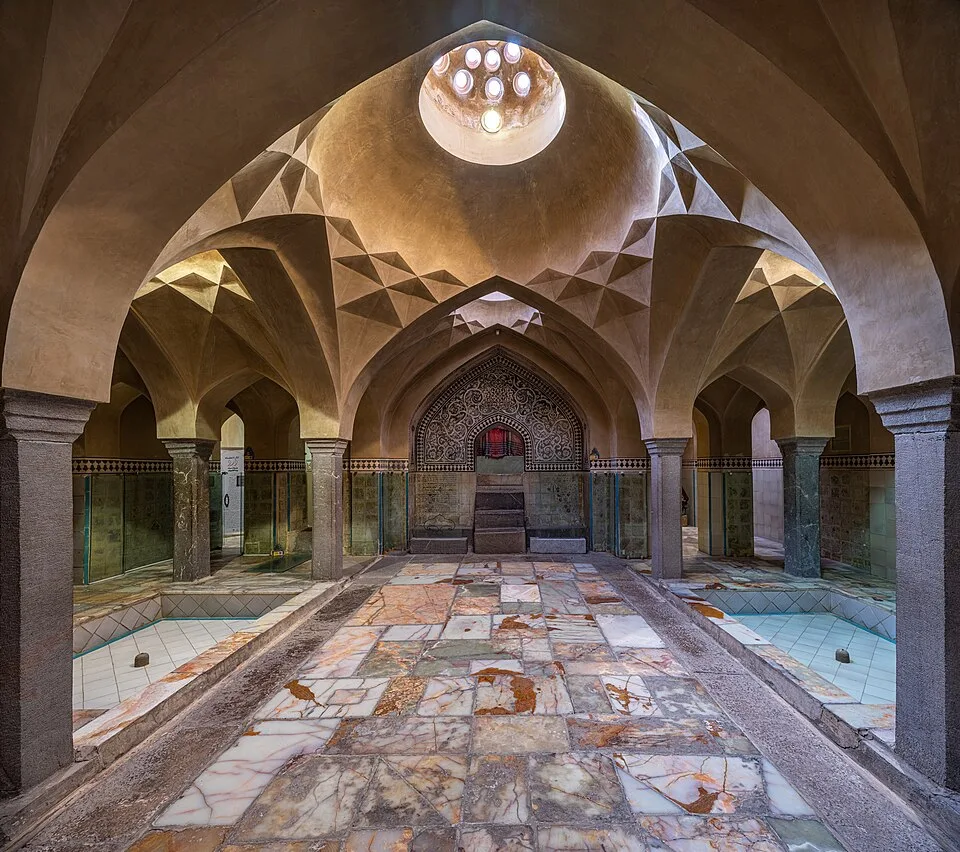
- Location
- Hammam Ali, Hudaydah Governorate, Yemen
- Water type
- thermal
- Temperature
- 40 °C
- pH
- 7.3
Water profile
Relaxing — deep, immediate muscle release.
Rich in trace elements — gentle on the skin.
Soft water — natural, classic buoyancy.
Hammam Ali Hot Springs in Hudaydah on Yemen's Red Sea coastal plain draw from geothermal sources underlying the volcanic terrain of the Tihama lowlands, a narrow strip of intense heat between the escarpment of the Yemeni highlands and the sea, historically inhabited by Akhdam communities whose ancient roots remain the subject of scholarly debate. The sodium-rich spring water has been used for centuries in traditional hammam bathing rituals central to the social and hygienic life of Yemeni coastal communities, providing warmth, mineral therapy, and communal gathering in a culture where bathing has always been both a physical and spiritual practice. The springs continue to serve as a place of respite for local communities in a country whose extraordinary archaeological and cultural heritage has been devastated by the ongoing conflict that has made Yemen largely inaccessible to outside visitors.