Jilin Hot Springs
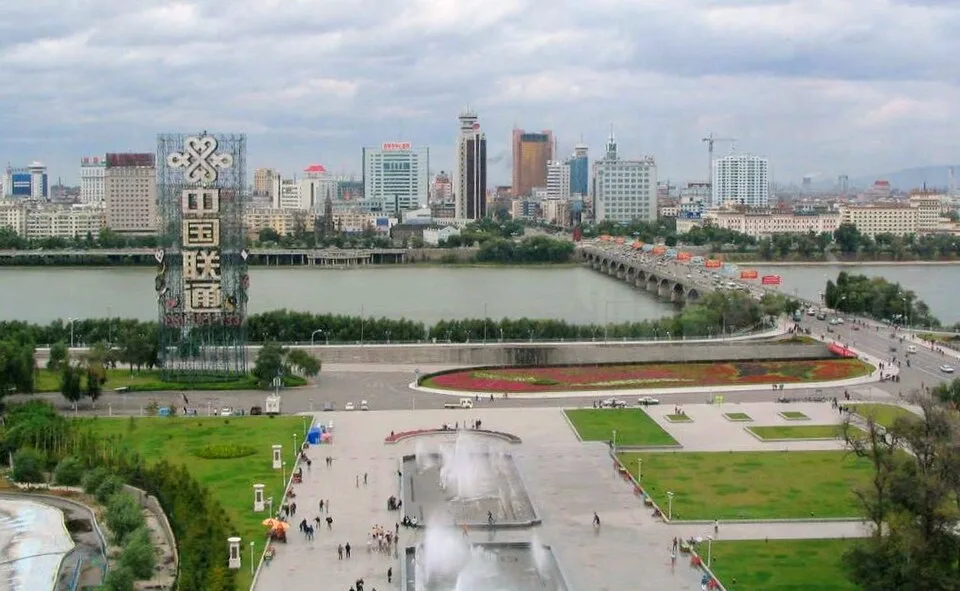
- Location
- Jilin City, Jilin Province, China
- Water type
- sulfurous
- Temperature
- 45 °C
- pH
- 6.5
Water profile
Relaxing — deep, immediate muscle release.
Rich in active gases or metals — a strong mineral character.
Soft water — natural, classic buoyancy.
Jilin Hot Springs draws sulphurous geothermal water in the city of Jilin on the Songhua river in northeastern China's Jilin province, where the thermal springs emerging from the volcanic geological formations of the Changbaishan massif provide year-round bathing in a region famous for one of the most extraordinary natural phenomena in East Asia, the winter rime ice forests that form along the Songhua river banks when the warm geothermal outflow meets the minus-30 degree Manchurian winter air and coats every tree branch and wire with crystalline white ice sculptures. The Changbaishan Volcanic Reserve on the North Korean border, sixty kilometres south of Jilin, contains Heaven Lake, the crater lake of the active Baitoushan volcano at 2,189 metres, one of the deepest crater lakes in the world and the spiritual origin of the Manchu and Korean peoples according to the foundation myths of both nations, its deep blue water ringed by volcanic tuff and perpetual snow for nine months of the year. Bathing in the Jilin thermal springs in January while the river banks outside are encrusted with the rime ice forests that have made Jilin one of China's four most famous winter natural landscapes combines geothermal warmth with an ice spectacle of incomparable beauty, the contrast between the 40-degree pool and the minus-25-degree air outside creating a thermal experience as extreme and as memorable as any in East Asia.