Yangbajain Hot Springs
- Location
- Yangbajain, Tibet, China
- Water type
- sulfurous
- Temperature
- 44 °C
- pH
- 6.5
Water profile
Relaxing — deep, immediate muscle release.
Rich in active gases or metals — a strong mineral character.
Soft water — natural, classic buoyancy.
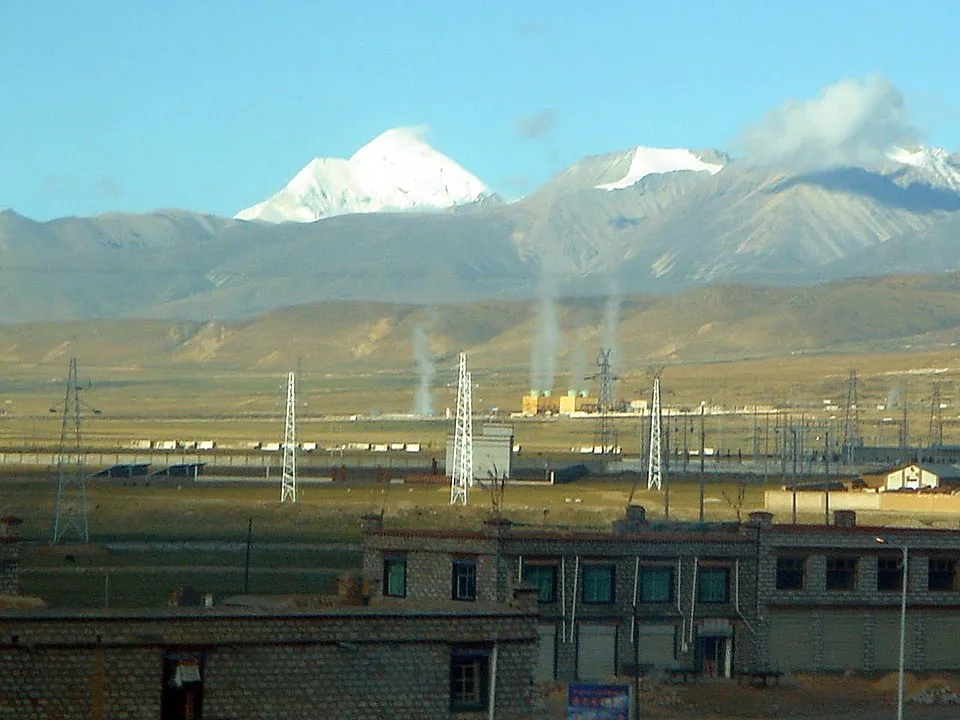
Yangbajain Hot Springs lie on the Tibetan Plateau roughly 90 kilometres northwest of Lhasa, in one of the most geothermally active areas on Earth. The Yangbajain geothermal field sits within a wide, flat valley at over 4,200 metres elevation, framed by snow-capped Himalayan peaks and crossed by the Yarlung Tsangpo river system — a landscape of extraordinary austere beauty that underscores the elemental character of the springs themselves.
The sulfurous water emerges at 44 °C with a mildly acidic pH of 6.5, its volcanic origin unmistakable in both the pronounced mineral scent and the geysering activity visible across the broader field. At this altitude, the contrast between spring water temperature and the cold, thin plateau air is dramatic — bathing here involves a sensory intensity that is unique to high-altitude volcanic environments. Yangbajain is not only a bathing site but also a functioning geothermal power station supplying electricity to Lhasa, making it one of the few places on Earth where the same geological resource heats bathers and powers a capital city simultaneously.