Tapoban Hot Springs Joshimath
- Location
- Joshimath, Uttarakhand, India
- Water type
- sulfurous
- Temperature
- 42 °C
- pH
- 6.5
Water profile
Relaxing — deep, immediate muscle release.
Rich in active gases or metals — a strong mineral character.
Soft water — natural, classic buoyancy.
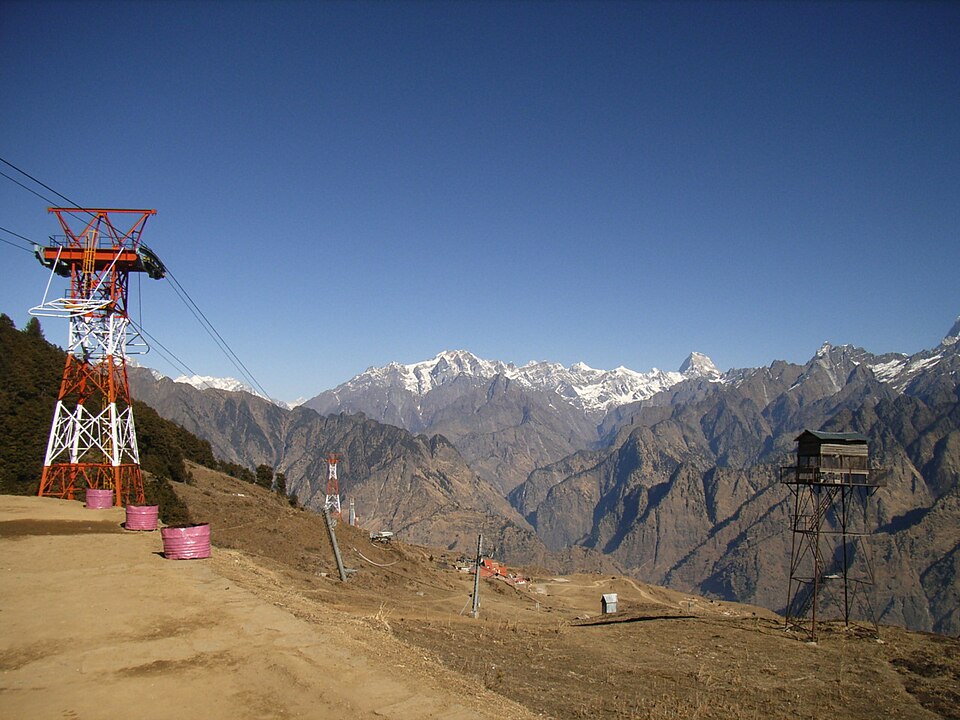
Tapoban Hot Springs near Joshimath in Uttarakhand sit in the sacred Himalayan landscape of the Dhauliganga valley at around 2,000 meters elevation, where sulfurous thermal waters emerge from the Great Himalayan Fault zone within sight of the Nanda Devi Biosphere Reserve — home to India's second-highest peak at 7,816 meters. Revered in Hindu tradition as a site of tapas — spiritual austerity and penance — pilgrims on the way to the Badrinath temple, one of the four sacred Char Dham pilgrimage shrines, have bathed in these sulfurous springs for centuries as a ritual purification. The confluence of living pilgrimage tradition, extreme Himalayan topography, and geothermal volcanic energy creates one of India's most spiritually charged and scenically dramatic thermal destinations.