ThermaeExplore the map →

Tapt kund

Badrinath, Uttarakhand, India
Tapt kund
Location
Badrinath, Uttarakhand, India
Water type
sulfurous
Temperature
38 °C
pH
6.5

Water profile

Thermicity
Neutral
38 °C
LowHigh

Soothing — neither hot nor cold, perfect balance.

Mineralisation
Bio-active
LowHigh

Rich in active gases or metals — a strong mineral character.

Buoyancy
Standard buoyancy
LowHigh

Soft water — natural, classic buoyancy.

SoufreSulfuresSulfates

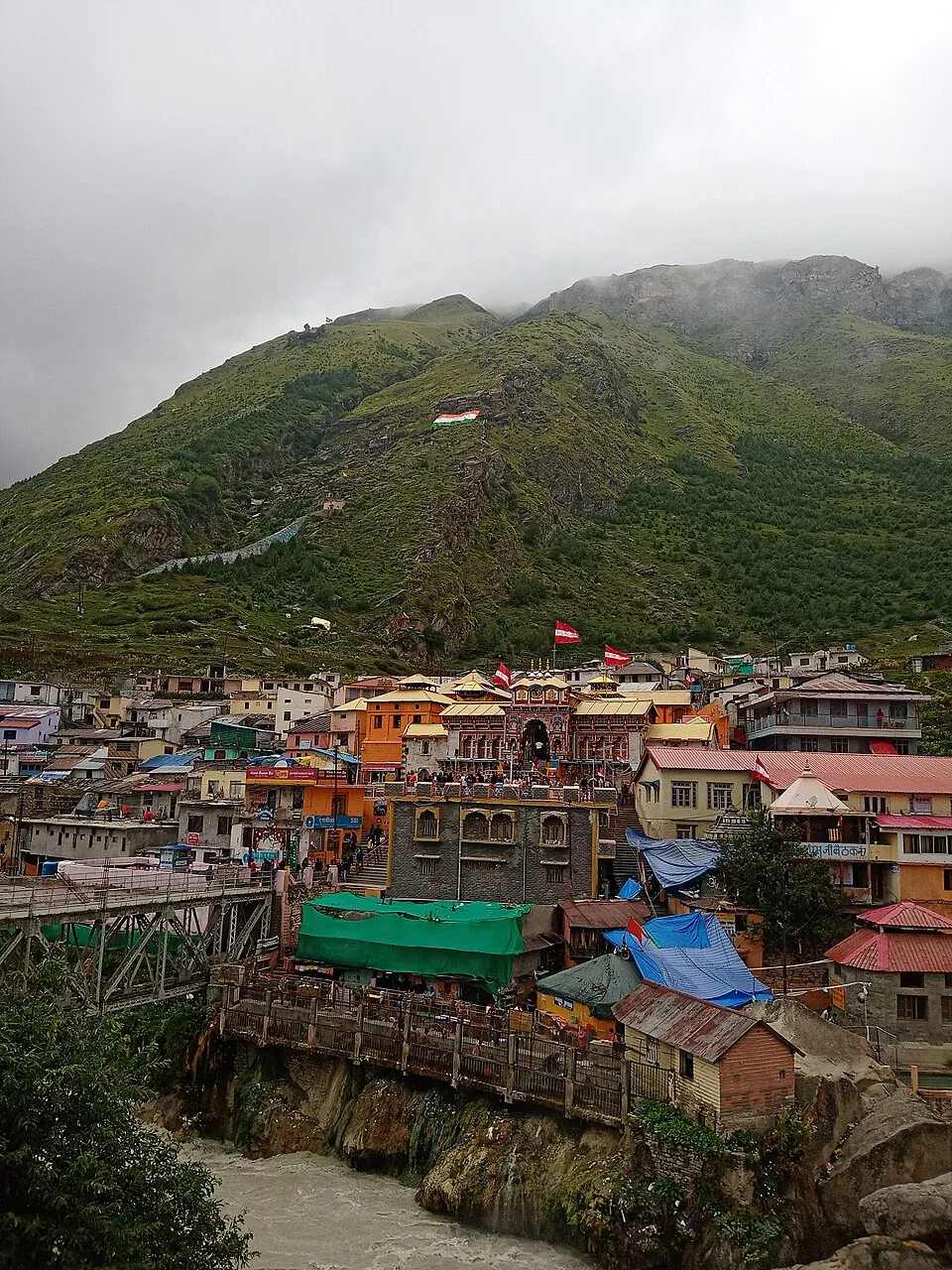
Tapt Kund is a sacred sulfurous hot spring at the Badrinath temple complex in the Chamoli district of Uttarakhand, India, perched at an elevation of over 3,100 metres in the Garhwal Himalayas and revered as one of Hinduism's most important pilgrimage springs. Pilgrims to the Char Dham circuit traditionally bathe in Tapt Kund's naturally heated sulfurous waters before entering the Badrinath temple dedicated to Lord Vishnu, believing the spring's sacred mineral water purifies the soul and body for worship. The spring's location at the confluence of the Alaknanda River and the dramatic glacier-carved landscape of the high Himalaya makes Tapt Kund one of the world's most spiritually and geographically exceptional hot springs.

Insider tip — Tapt Kund is a sacred sulfurous hot spring at 3,133 meters elevation immediately adjacent to the famous Badrinath Vishnu temple in the Chamoli Himalayas. Hindu pilgrims ritually bathe here before entering the temple, believing the geothermal waters purify the soul. The spring emerges from the same Himalayan fault system responsible for the region's seismic activity, with a light sulfur scent mingling with incense smoke from the adjacent shrine complex.
Find hotels nearby →See the map & practical info →

Nearby

Frequently asked questions

How hot is the water?
The water is neutral here, around 38 °C — a perfect balance, neither too hot nor too cold.
What type of water is found here?
This spot features sulfurous water.
What is the best season to visit?
The most favourable period for this spot is: Toute l'année (idéal automne-hiver).