Soka Onsen Saitama
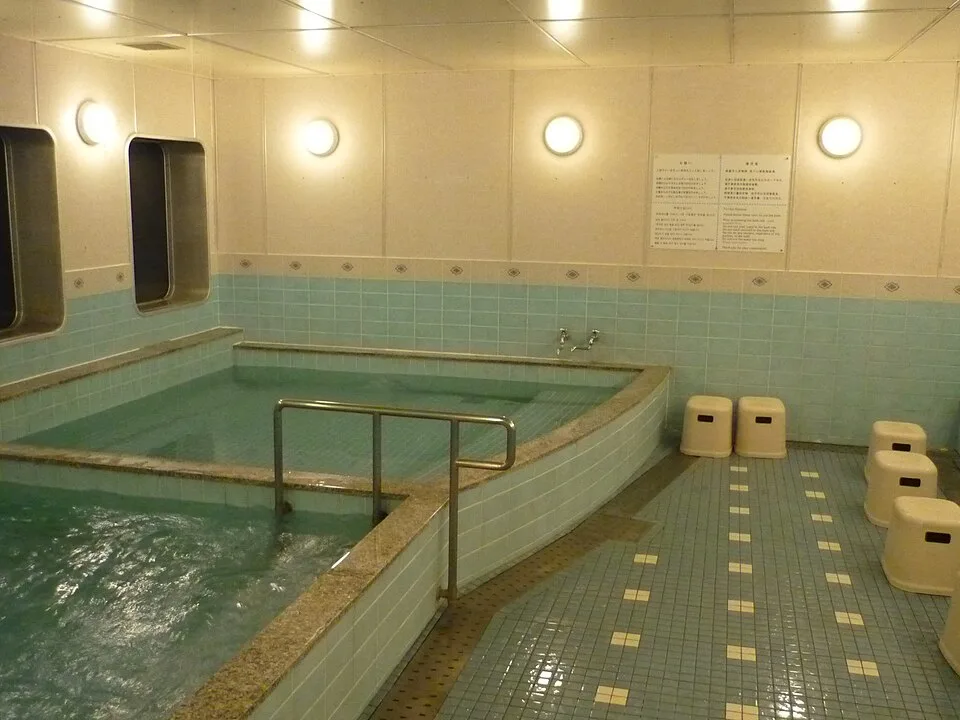
- Location
- Soka, Saitama Prefecture, Japan
- Water type
- sodium chloride
- Temperature
- 41 °C
- pH
- 7.3
Water profile
Relaxing — deep, immediate muscle release.
Loaded with major ions — the essential minerals (Ca, Mg).
Dense, salty water — you float without effort.
Soka, a densely populated city in southeastern Saitama Prefecture adjacent to Tokyo's Adachi ward, is known throughout Japan as the birthplace of senbei rice crackers, the beloved crispy snack produced from glutinous rice that has been associated with Soka's craftsmen for over four hundred years and is celebrated in the annual Soka Senbei Festival. Soka Onsen Saitama draws on chloride-rich thermal waters from the alluvial aquifer system of the Musashino terrace, providing mineral-rich warming baths within a suburban community whose artisanal food heritage and dense urban character reflect the suburban transformation of the Tokyo metropolitan periphery over the postwar decades. The senbei specialty shops along the old Okegawa-kaido highway, the Gion-ji Temple with its celebrated ginkgo avenue blazing gold in autumn, and quick Tobu Isesaki Line access to Tokyo's historic Asakusa district make Soka a flavourful and convenient thermal destination in southeastern Saitama.