Tama Onsen Tokyo
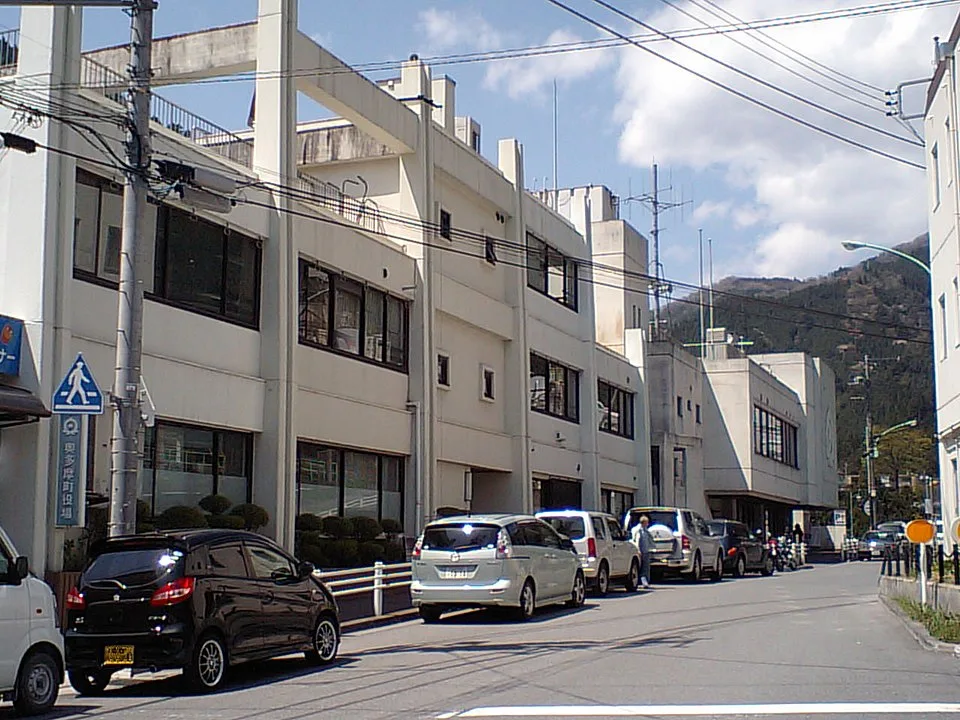
- Location
- Tama, Tokyo, Japan
- Water type
- sodium chloride, bicarbonate
- Temperature
- 40 °C
- pH
- 8.1
Water profile
Relaxing — deep, immediate muscle release.
Loaded with major ions — the essential minerals (Ca, Mg).
Dense, salty water — you float without effort.
Tama, in the western Tokyo Metropolis, is the location of the pioneering Tama New Town — Japan's first and largest post-war planned residential development, housing over 200,000 residents across a series of hillside communities connected by the Tama Monorail — whose ambitious 1960s urbanist planning legacy has become an object of study for urban planners examining Japan's post-war suburban experiment. Tama Onsen Tokyo draws on sodium and bicarbonate thermal waters from the geothermal resources of the western Tokyo volcanic fringe, offering restorative baths in a planned new town community where the ageing New Town urban fabric, the Sanrio Puroland indoor theme park, and the traditional Sekido farming community on the plateau edge create an unusually varied suburban spa setting. The Tama New Town urban landscape, the Sanrio Puroland Hello Kitty indoor entertainment complex, and the Yakushiike Nature Park preserving traditional satoyama farmland on the Tama Plateau edge create a fascinating and contrasting suburban and natural backdrop for thermal relaxation in western Tokyo Metropolis.