Kotu Baig Springs
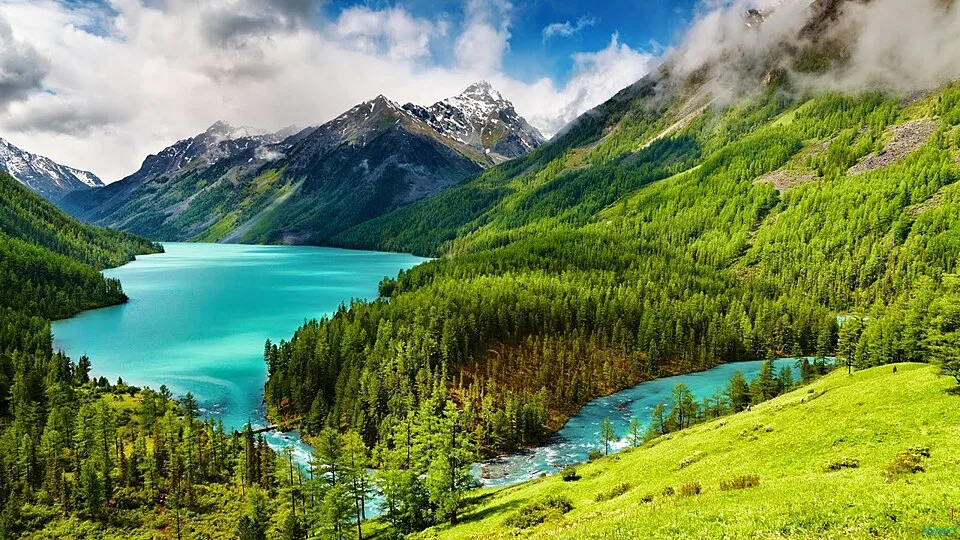
- Location
- Ghizer, Gilgit-Baltistan, Pakistan
- Water type
- sulfurous
- Temperature
- 40 °C
- pH
- 6.5
Water profile
Relaxing — deep, immediate muscle release.
Rich in active gases or metals — a strong mineral character.
Soft water — natural, classic buoyancy.
Kotu Baig Springs is a natural geothermal site in the remote Gilgit-Baltistan region of northern Pakistan, one of the world's most mountainous and geologically dynamic territories where the Himalayas, Karakoram, and Hindu Kush mountain ranges converge and where lightly mineral oligomineral thermal water surfaces from the ancient basement rocks along active fault systems. The springs serve the highland communities of Gilgit-Baltistan, who have long used natural thermal water for bathing within the thermal traditions of the Shina, Balti, and Burusho peoples. The extraordinary landscape of Gilgit-Baltistan — home to K2, four other 8,000-metre peaks, and some of the world's greatest concentration of glaciers outside the polar regions — provides a setting of unparalleled mountain grandeur.