Tbili Gogirdiani Abano
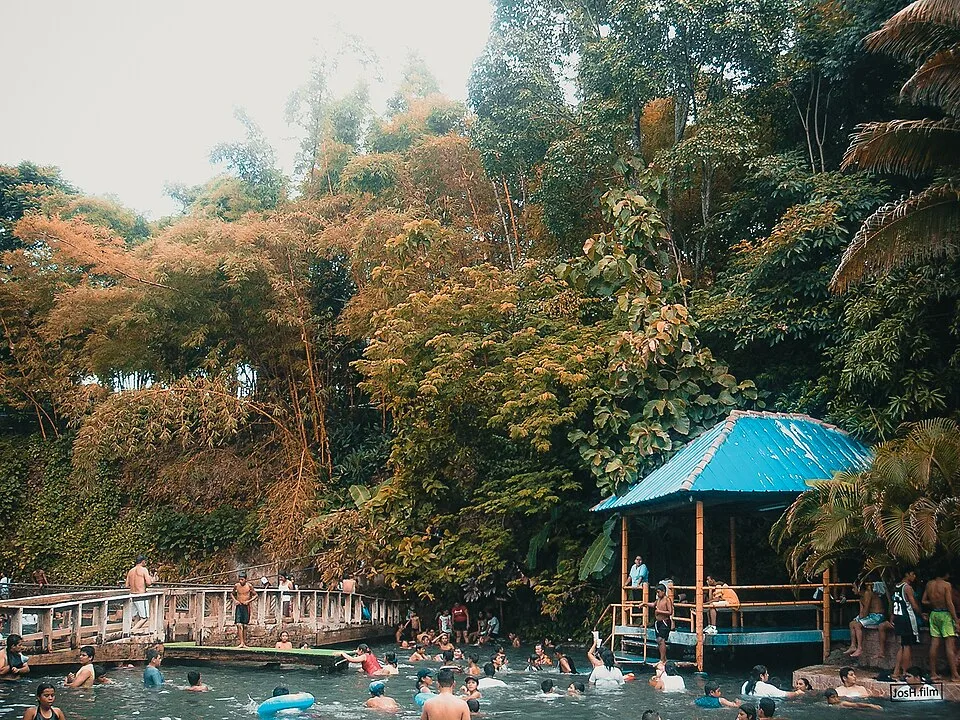
- Location
- Tbilisi Gogirdiani Abano, Ardahan Province, Turkey, Georgia
- Water type
- sulfurous
- Temperature
- 38 °C
- pH
- 6.5
Water profile
Soothing — neither hot nor cold, perfect balance.
Rich in active gases or metals — a strong mineral character.
Soft water — natural, classic buoyancy.
In the high plateaus of the southern Caucasus, near the Georgian-Turkish frontier, the baths known by the Georgian name Tbili Gogirdiani Abano — meaning warm sulfurous bath — speak to a thermal tradition rooted in the volcanic geology of the Lesser Caucasus mountains. The geothermal seepages of this Kura River basin, fed by ancient volcanic formations, have served local communities for centuries along this remote borderland.
At 38 °C, these sulfurous waters carry the mineral character typical of Caucasian springs: gently warm, with the distinctive sulfur aroma and a softening touch on the skin. The traditional baths of this frontier region belong to a shared bathing culture that draws on Georgian heritage and Anatolian influences in equal measure, offering a popular and unpretentious form of thermal wellbeing.
The setting is one of high-altitude pine forest and alpine meadow, far from established tourist routes. The province of Ardahan, seldom visited, provides genuine immersion in the landscapes and rhythms of daily life in this high mountain region where Caucasian cultures converge.