Otani Onsen
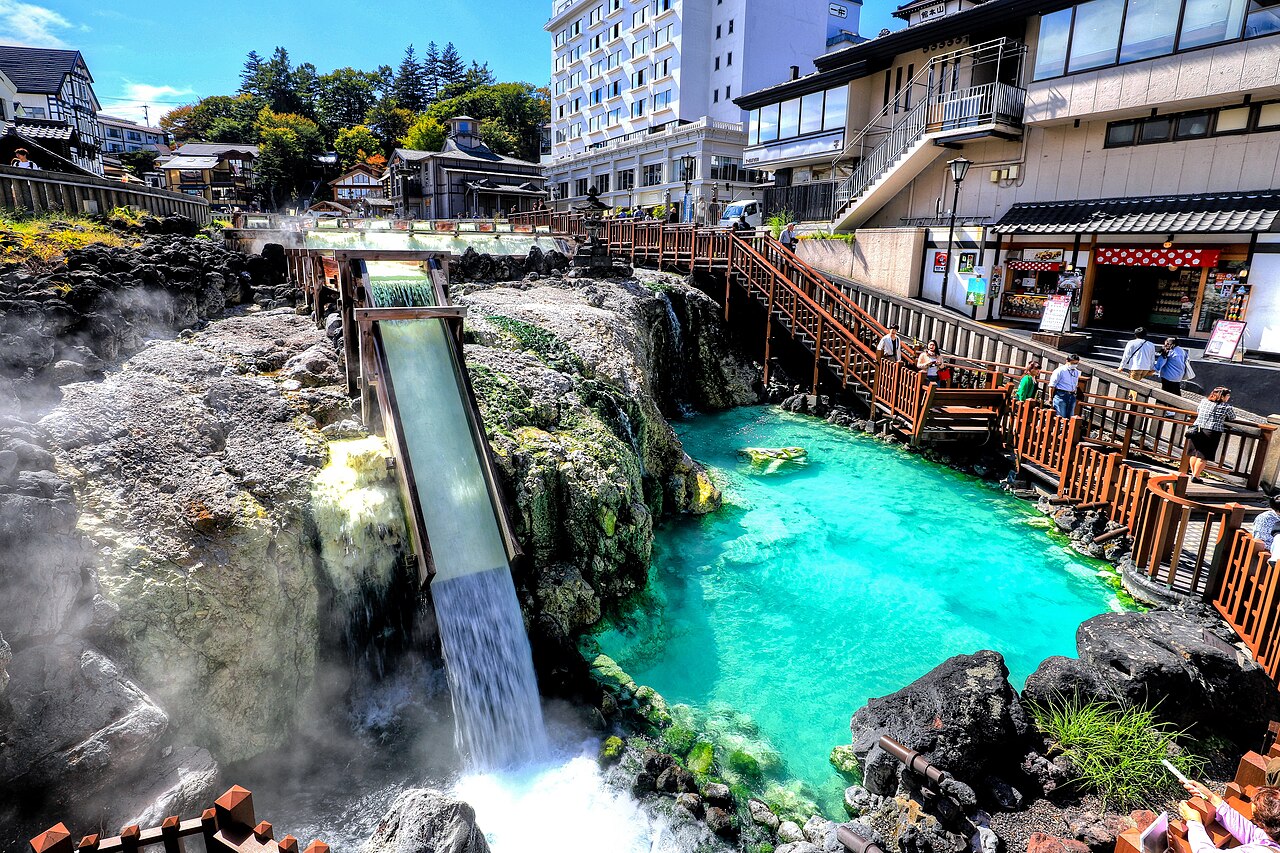
Illustration photo — not a verified picture of this exact spot.
- Location
- Hirogawa, Wakayama, Japan
- Water type
- calcium-rich
- Temperature
- 38 °C
- pH
- 7.3
Water profile
Soothing — neither hot nor cold, perfect balance.
Loaded with major ions — the essential minerals (Ca, Mg).
Soft water — natural, classic buoyancy.
Otani Onsen is a name shared by thermal springs in multiple Japanese locations, including a former spring in Uozu City, Toyama Prefecture that is no longer active, a spring in Masuda City, Shimane Prefecture, and a spring in Arida District, Wakayama Prefecture, the distribution of this common name reflecting how frequently the combination of great valley — otani meaning large valley or wide gorge — appears as a topographic descriptor across Japan's mountainous volcanic landscape where valleys and thermal springs so often coexist. The sulfate-rich mineral waters characteristic of springs bearing this name reflect the volcanic geothermal chemistry of the valley terrain from which they emerge, offering the distinctive character of sulfate mineral bathing in settings defined by the geological grandeur of large mountain valleys carved by river action and volcanic uplift. Otani Onsen, in whichever of its geographical expressions visitors encounter, embodies the universal Japanese association between valley topography and geothermal activity, where the same erosive forces that carve great valleys through volcanic terrain also expose the fissures and formations through which thermal mineral water rises from the volcanic earth to the surface.