Sacred hot spring
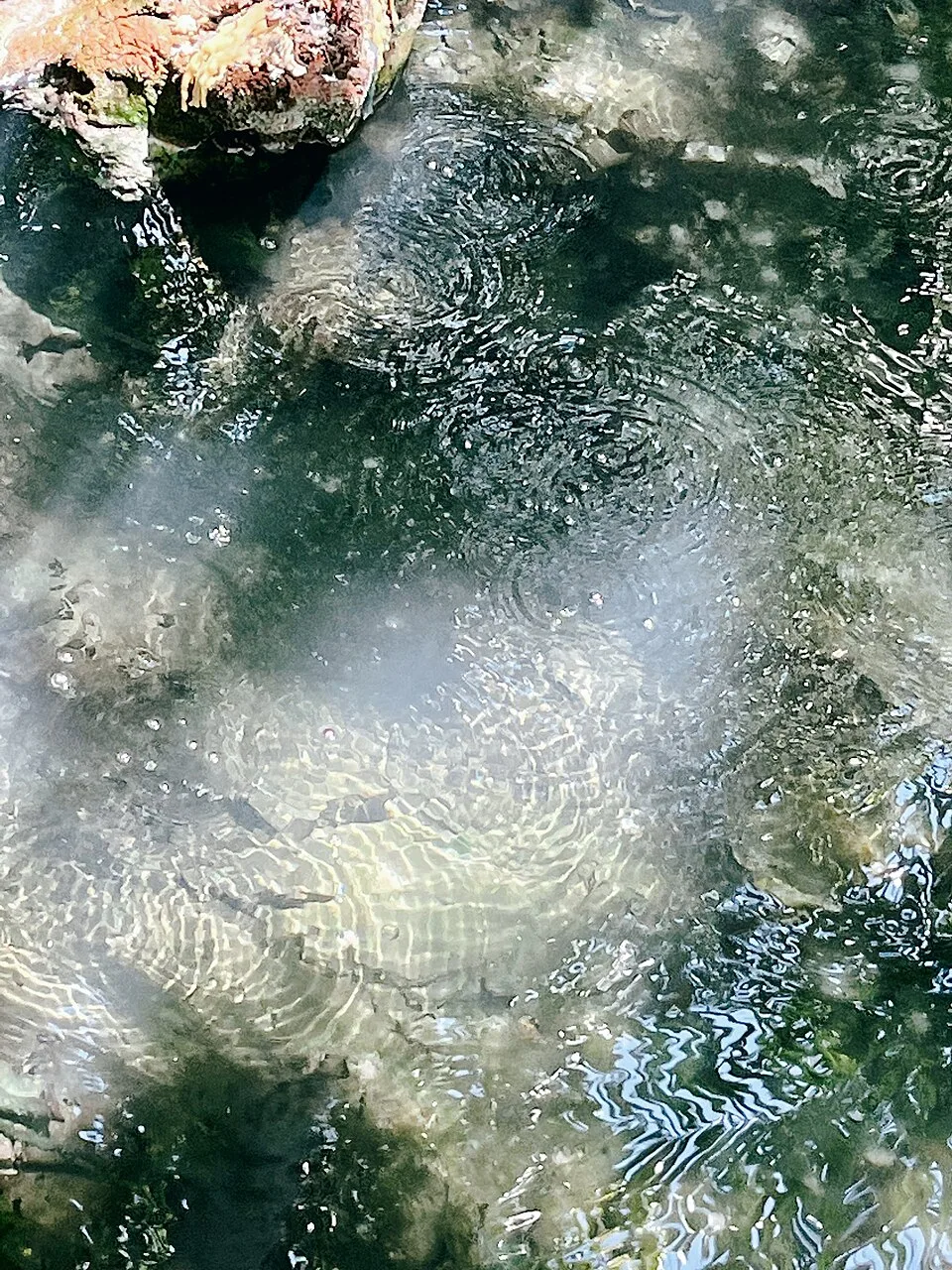
- Location
- Kullu, Himachal Pradesh, India
- Water type
- sulfurous
- Temperature
- 35 °C
- pH
- 6.5
Water profile
Soothing — neither hot nor cold, perfect balance.
Rich in active gases or metals — a strong mineral character.
Soft water — natural, classic buoyancy.
In the Kullu valley in the heart of India's Himachal Pradesh, a sacred spring emerges at around 35 °C within the Beas River watershed, in a region shaped by the intense geothermal activity generated by the collision of the Indian and Eurasian tectonic plates. The site is woven into the fabric of Hindu devotional places that mark the Himalayan hillsides, where each spring is regarded as a natural grace offered to humanity.
The water's gentle temperature — moderate by Himalayan standards — invites prolonged and peaceful immersion. The subtle sulfurous scent, filtered through mountain rock, is a quiet reminder of the water's deep, telluric origins. Small shrines and floral offerings often mark the spring's edges, bearing witness to the devotion of pilgrims and local trekkers who pause there.
The Kullu valley is celebrated for its Dussehra festival, one of India's greatest, which animates villages and mountain paths every autumn. Visiting the spring during this season means layering the sensory experience of bathing over the living cultural celebration of a Himalayan region that has remained close to its traditions.