Radium Hot Springs Glenwood
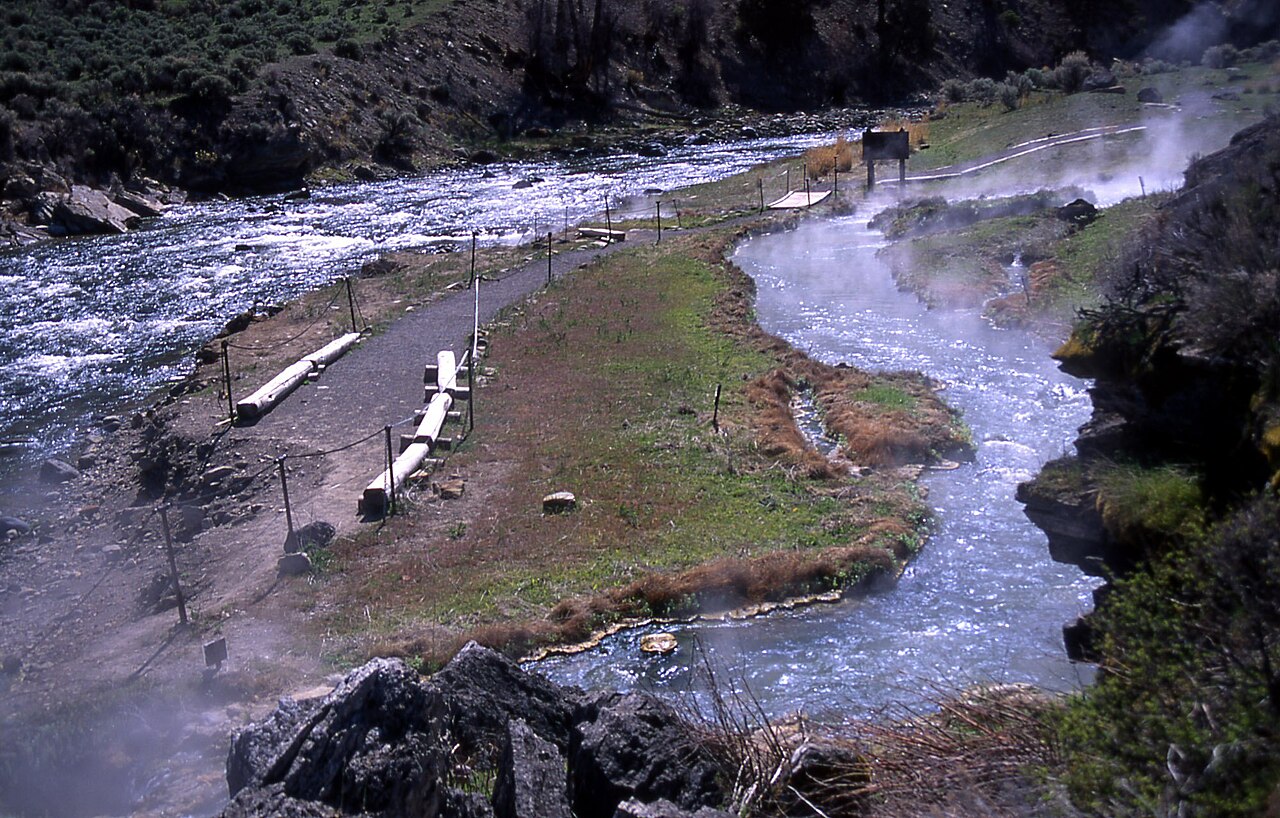
Illustration photo — not a verified picture of this exact spot.
- Location
- Glenwood Springs, Colorado, United States
- Water type
- sulfurous
- Temperature
- 51 °C
- pH
- 6.5
Water profile
Relaxing — deep, immediate muscle release.
Rich in active gases or metals — a strong mineral character.
Soft water — natural, classic buoyancy.
This is a dynamic list of hot springs in the United States. The Western states in particular are known for their thermal springs: Alaska, Arizona, California, Colorado, Idaho, Montana, Nevada, New Mexico, Oregon, Utah, Washington, Wyoming; but there are interesting hot springs in other states throughout the country. Indigenous peoples' use of thermal springs can be traced back 10,000 years, per archaeological evidence of human use and settlement by Paleo-Indians. These geothermal resources provided warmth, mineral water, and cleansing. Hot springs are considered sacred by several Indigenous cultures, and along with sweat lodges have been used for ceremonial purposes. Since ancient times, humans have used hot springs and public baths within a long thermal tradition. Bathing in hot, mineral water is an ancient ritual. The Latin phrase sanitas per aquam means "health through water", evoking well-being through bathing in natural hot springs.