Sebastopolis Roman Baths
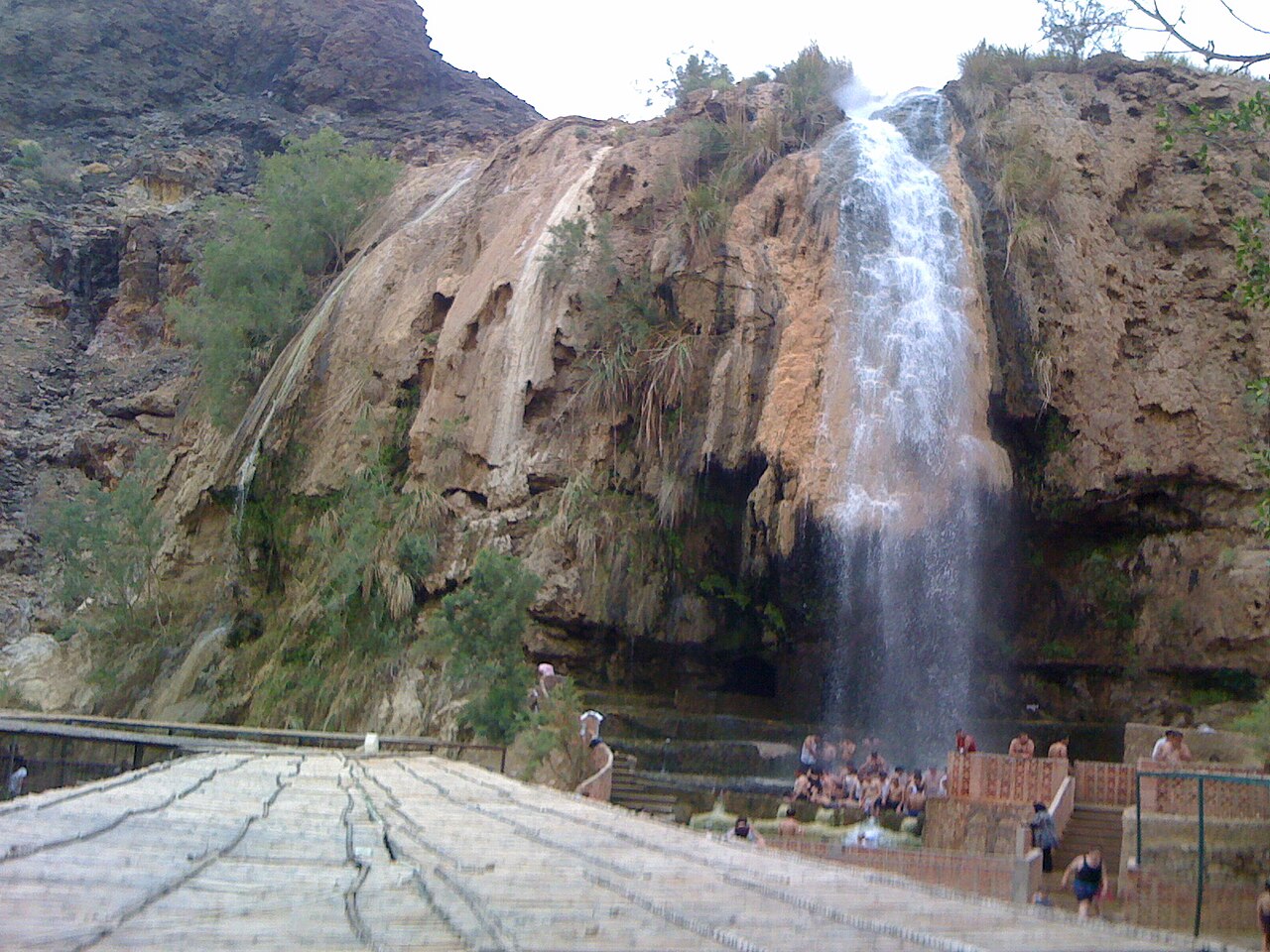
Illustration photo — not a verified picture of this exact spot.
- Location
- Sulusaray, Tokat, Turkey
- Water type
- sulfurous
- Temperature
- 40 °C
- pH
- 6.5
Water profile
Relaxing — deep, immediate muscle release.
Rich in active gases or metals — a strong mineral character.
Soft water — natural, classic buoyancy.
The Sebastopolis Roman Baths are ancient bathing remains in Sulusaray District, Tokat Province in north-central Turkey, associated with the Roman city of Sebastopolis, fed by both sulfurous and simple spring waters that served the urban population. Sulusaray, whose name in Turkish means many waters, preserves extensive Roman archaeological remains including bath complexes that used the local mineral springs, reflecting the Roman practice of combining urban hygiene with bathing at sites of natural mineral spring activity. The presence of sulfurous springs gave the Sebastopolis baths a special standing within a long thermal tradition recognized by both the Roman and later Byzantine communities who inhabited this fertile valley in the Anatolian interior.